The Benefits of a Zero-Trust Network with Microsegmentation

In a previous post titled "The 5 Steps to Creating a Zero Trust Network," we suggested that "the zero trust model is the response to the realization that the perimeter security approach is ineffective. Many data breaches occurred because attackers who bypassed enterprise firewalls managed to move through internal systems undetected."
Definition of Zero Trust and Microsegmentation
Let's precisely define zero trust and microsegmentation, and then examine their benefits.
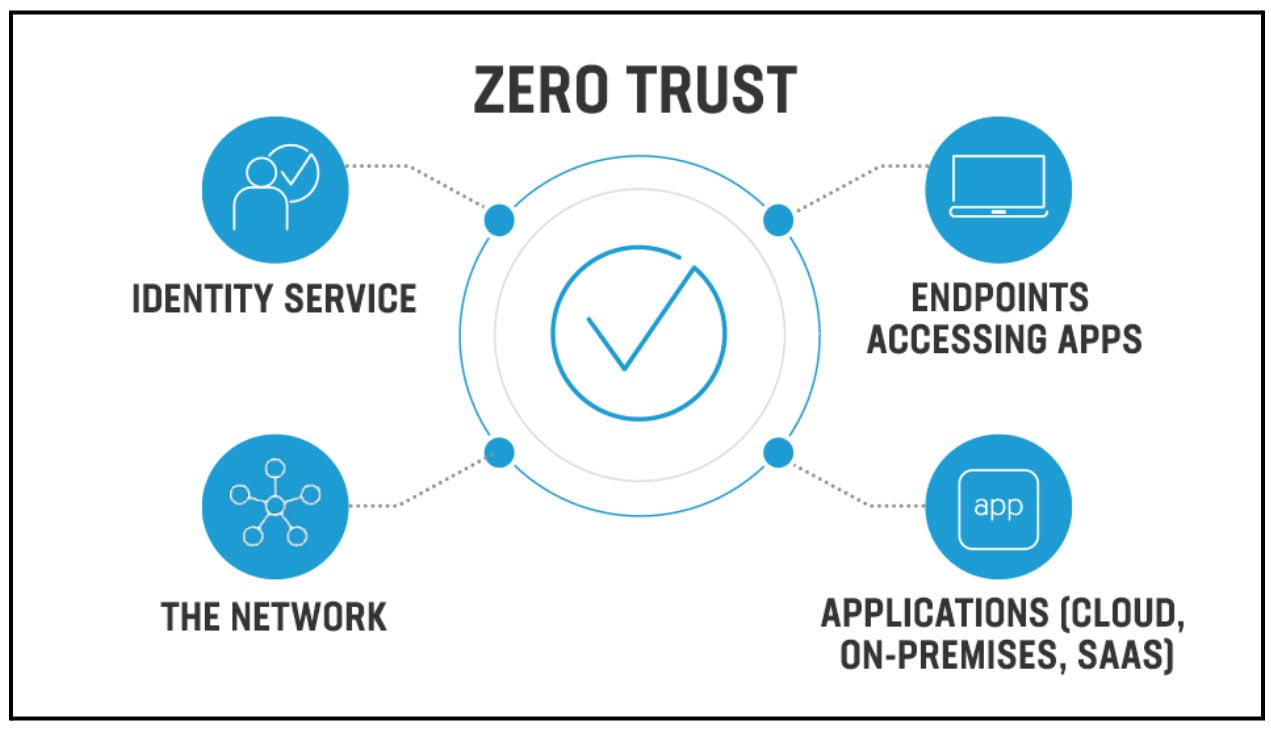
Zero trust is a network security model based on strict identity verification. This framework applies the principle that only authenticated and authorized users and devices can access applications and data—without exception. The emphasis is on protecting sensitive data, including Personally Identifiable Information (PII), Protected Health Information (PHI), Payment Card Industry data (PCI), and Intellectual Property (IP), all of which hold significant value for potential attackers.
Microsegmentation is the process of dividing a network into zones to limit and control access between workloads and applications. The goal of microsegmentation is to limit the potential lateral movement of threats that can exist anywhere, both inside and outside your network. Each zone or segment can have its own set of security policies and access controls, offering organizations greater flexibility while strengthening security.
The Benefits of Zero Trust and Microsegmentation
With the definitions clarified, let's explore the benefits of zero trust and microsegmentation and how they can improve an organization's overall security posture.
Enhanced Data Protection
Zero trust and microsegmentation offer a granular approach to data protection. Organizations can significantly reduce the risk of data breaches and unauthorized access by implementing zero trust principles, such as identity verification and strict access controls. Microsegmentation complements zero trust by dividing the network into isolated segments, ensuring that the rest of the network remains secure even if a compromise occurs within a single segment.
Increased Visibility and Control
Zero trust and microsegmentation provide improved visibility and control over network traffic. Organizations gain a comprehensive understanding of all user activities and network flows, enabling them to identify potential security flaws or anomalous behavior more effectively. Microsegmentation further strengthens this control by defining and enforcing strict traffic rules within each segment, limiting the lateral movement of threats. Regularly testing Zero Trust network segmentation effectiveness through structured penetration testing is what transforms this visibility into verified, measurable security assurance.
Reduced Attack Surface
Zero trust and microsegmentation significantly reduce an organization's attack surface. With zero trust, the default posture is to deny access, requiring users and devices to prove their identity and authorization before accessing resources. This approach ensures that only authorized entities gain access to critical resources, thereby limiting exposure to potential attackers. Microsegmentation goes a step further by isolating critical assets and applications into distinct segments, minimizing the potential impact of a breach. Of course, successfully implementing these controls requires overcoming firewall management challenges that often stand in the way of a fully enforced zero trust architecture.
Agility and Scalability Without Sacrificing Security
Contrary to the misconception that strict security measures hinder flexibility and scalability, zero trust and microsegmentation can actually enhance these aspects. By adopting zero trust principles, organizations can establish secure connections between users, devices, and resources regardless of their location. This facilitates remote work and enables the rapid deployment of new applications. Microsegmentation provides the flexibility needed to adapt security policies to evolving business needs, ultimately increasing the efficiency of security measures.
Compliance and Regulatory Alignment
For organizations operating in regulated industries, such as finance or healthcare, complying with industry-specific regulations and standards is critical. Zero Trust and microsegmentation help companies efficiently meet these compliance requirements. The granular access controls, robust authentication mechanisms, and comprehensive visibility provided by these security approaches align perfectly with the strict regulations enforced across many sectors, ensuring that businesses fulfill their compliance obligations.
Strengthen Your Security Posture with Zero Trust and Microsegmentation
Zero trust and microsegmentation are two powerful security strategies that offer numerous benefits to organizations seeking to improve their cybersecurity posture. By implementing these approaches, organizations can achieve enhanced data protection, increased visibility and control, minimized attack surfaces, greater agility and scalability, and regulatory compliance. Adopting zero trust and microsegmentation strengthens an organization's security defenses and provides peace of mind in an ever-evolving threat landscape. However, realizing these gains long-term requires addressing the security stack debt that undermines zero-trust gains before it quietly erodes the architecture you've worked to build.
It's also worth noting that the effectiveness of these strategies depends on thoughtful integration—a principle that explains why fewer, well-integrated tools protect more than a sprawling, disconnected security stack.
Frequently Asked Questions
What is microsegmentation and how does it work?
Microsegmentation is the process of dividing a network into zones to limit and control access between workloads and applications. The goal of microsegmentation is to limit the potential lateral movement of threats that can exist anywhere, both inside and outside your network. Each zone or segment can have its own set of security policies and access controls, offering organizations greater flexibility while strengthening security.
How do zero trust and microsegmentation reduce an organization's attack surface?
With zero trust, the default posture is to deny access, requiring users and devices to prove their identity and authorization before accessing resources. This approach ensures that only authorized entities gain access to critical resources, thereby limiting exposure to potential attackers. Microsegmentation goes a step further by isolating critical assets and applications into distinct segments, minimizing the potential impact of a breach.
How do zero trust and microsegmentation help with regulatory compliance?
The granular access controls, robust authentication mechanisms, and comprehensive visibility provided by these security approaches align perfectly with the strict regulations enforced across many sectors, ensuring that businesses fulfill their compliance obligations.
Does implementing zero trust and microsegmentation limit flexibility or scalability?
Contrary to the misconception that strict security measures hinder flexibility and scalability, zero trust and microsegmentation can actually enhance these aspects. By adopting zero trust principles, organizations can establish secure connections between users, devices, and resources regardless of their location. Microsegmentation provides the flexibility needed to adapt security policies to evolving business needs, ultimately increasing the efficiency of security measures.
What types of sensitive data does zero trust protect?
The emphasis is on protecting sensitive data, including Personally Identifiable Information (PII), Protected Health Information (PHI), Payment Card Industry data (PCI), and Intellectual Property (IP), all of which hold significant value for potential attackers.


